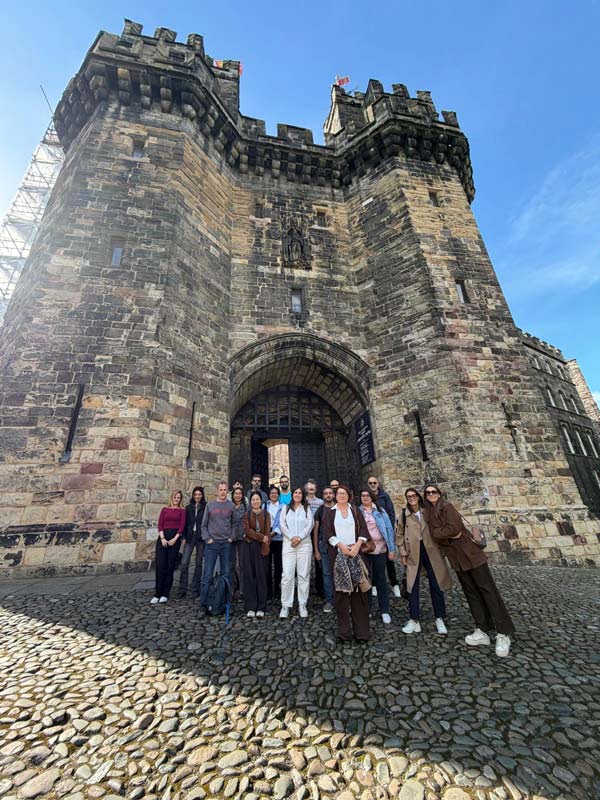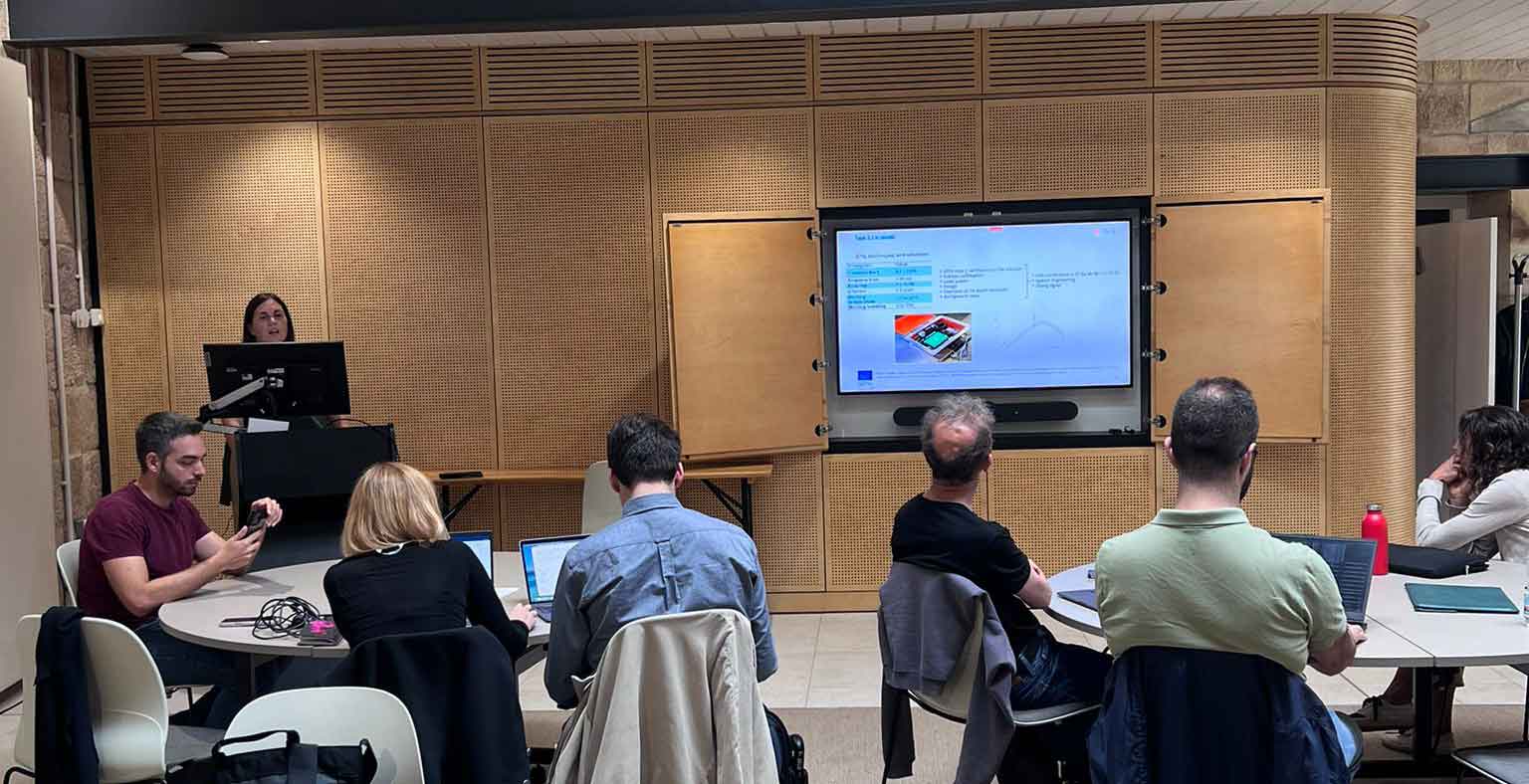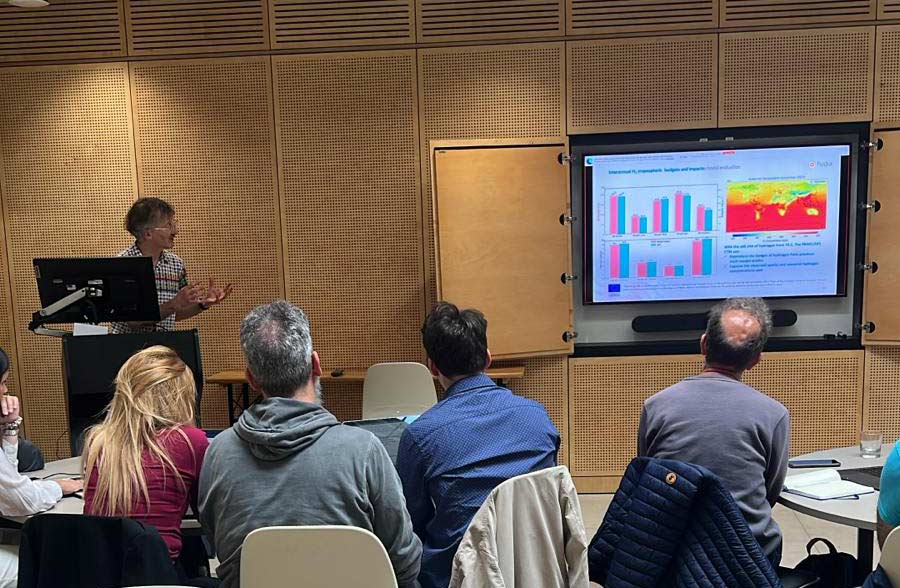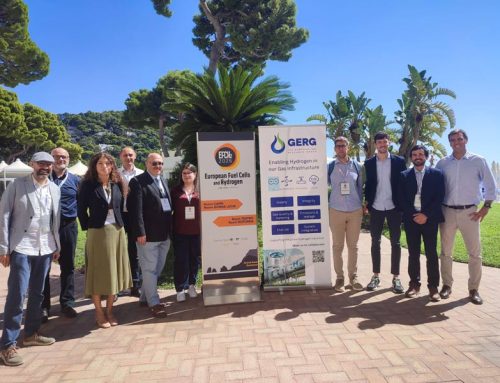

Lancaster (UK) – On June 17–18, 2026, the consortium of the European project HYDRA (Hydrogen Economy Benefits and Risks: Tools Development and Policies Implementation to Mitigate Possible Climate Impacts) gathered in Lancaster, United Kingdom, to review the progress made 30 months after the project’s launch.
Hosted in the evocative setting of the Lancaster University Castle Suite, located within Lancaster Castle, the meeting brought together consortium partners to discuss crucial next steps in research on climate impacts and mitigation strategies related to the hydrogen economy.
Meeting Agenda Overview
The two-day event featured intense technical sessions and collaborative discussions:
-
Wednesday, June 17: The first day opened with a general project overview and status update presented by Rossella Urgnani (Tinexta Innovation Hub). The focus then shifted to the work done in the scenarios of a future hydrogen economy, featuring insights led by CNR and dedicated parallel working sessions that also involved the University of Valladolid, University of Lancaster, and CARTIF.
-
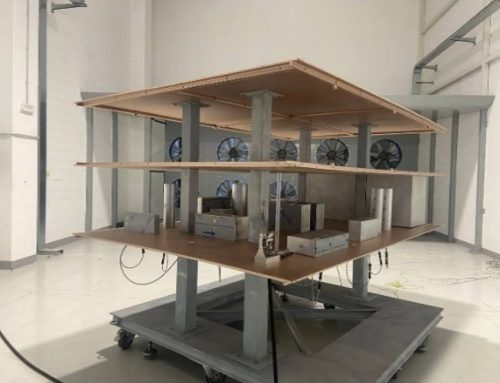
Thursday, June 18: The second day was dedicated to updates from the other work packages. Specifically, partners discussed the design, implementation, and validation of the H2 leakage monitoring system; hydrogen economy benefits, risks, mitigation strategies, and guidelines for policymaking and dissemination, communication, and exploitation activities. The session concluded with a project management overview conducted by beWarrant – Tinexta Innovation Hub.
Many thanks to the local organizers of the event coordinated by Prof. Oliver Wild from Lancaster University.
About the HYDRA Project
HYDRA is a Research and Innovation Action (Horizon-RIA) funded by the European Union under the HORIZON-CL5-2023-D1-01-03 topic. Coordinated by Isella Vicini (beWarrant – Tinexta Innovation Hub), the project spans a total duration of 48 months, having officially started on November 1, 2023.